🚀 Level Up Your Small Business! How CRM and ERP Can Make You a Competitive Superstar
Hey there! 👋 If you’re running a small or medium-sized business (an SME), you already know the drill. It’s tough out there! You’re constantly juggling a million things, from keeping customers happy to making sure your inventory is just right. You often feel like you’re fighting a giant battle against bigger companies with way more resources.
But what if I told you there are two secret weapons the big guys use—and they’re now totally accessible for you?
I’m talking about CRM (Customer Relationship Management) and ERP (Enterprise Resource Planning). I know, the names sound super corporate, but trust me, they are just tools designed to make your life easier and your business much smarter. When I was first starting out, I thought these were only for Fortune 500 companies. Boy, was I wrong! Adopting them was a total game-changer for my own business’s growth.
Let’s break down what these systems are and, most importantly, how they can seriously boost your SME competitiveness.
🤝 CRM: Your Customer’s Best Friend (and Yours!)
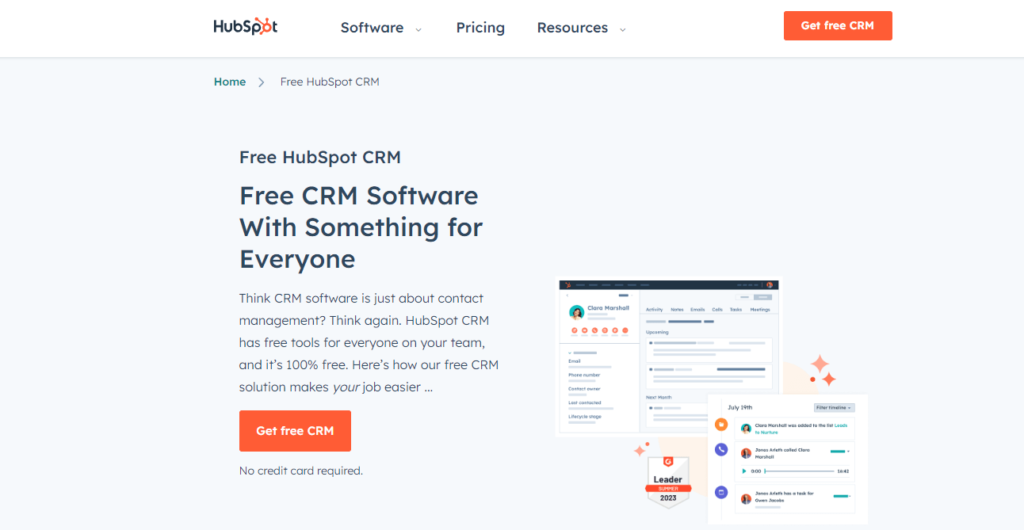
CRM, or Customer Relationship Management, is basically a powerful digital rolodex that remembers everything about your customers. Think of it as a centralized brain for all your customer interactions.
What is CRM, Really?
In simple terms, a CRM system helps you manage, organize, and track every single interaction with a potential or current customer.
- It’s not just a contact list: It tracks their purchase history, when they last spoke to your team, what emails they opened, and any past support issues.
- It brings clarity: Your whole team—sales, marketing, and customer service—sees the same, up-to-date information. No more guessing games!
How CRM Makes Your SME Super Competitive
The biggest advantage you have as an SME is your ability to be personal and agile. A CRM system amplifies this strength, helping you build genuine customer loyalty.
1. Next-Level Customer Experience (CX)
Imagine this: a customer calls you. Instead of asking them to repeat their whole story, your service rep instantly sees their last purchase, their previous support ticket, and even the products they looked at on your website. That’s a huge win!
- Personalized Service: You can offer the right product to the right person at the perfect time. This is key to boosting customer retention.
- Faster Solutions: Quicker access to history means faster problem-solving. This makes customers feel valued and heard.
My Personal Insight (Elizabeth): Before my CRM, a major client called to re-order. I had to dig through three different spreadsheets and my email history to find their exact specs. It was clumsy and unprofessional! Now, everything is logged. I know what they bought, when they bought it, and even their favorite color. It helps me offer a better, seamless experience that keeps them coming back.
2. Supercharge Your Sales Pipeline
A CRM helps your sales team stop chasing ghosts and start closing real deals. It automates the tedious stuff, letting them focus on what they do best: building relationships.
- Visual Sales Tracking: You can see exactly where every lead is in the buying journey. This visibility helps with accurate sales forecasting.
- Automated Follow-ups: It sends reminders and automated emails so a hot lead never falls through the cracks. This increases your lead conversion rate.
⚙️ ERP: The Backbone of Your Business (The Operations Boss)
If CRM is about your relationship with the outside world (your customers), then ERP (Enterprise Resource Planning) is about getting your inside world in order. Think of it as the ultimate streamlining machine for all your core business operations.
What is ERP, Really?
An ERP system integrates all the different parts of your company—like finance, inventory, manufacturing, and HR—into one single, cohesive software platform.
- It ends data silos: Instead of your accounting data being in one place and your inventory data in another, it all lives together.
- It manages resources: It helps you plan and manage your core resources: money, materials, and people.
How ERP Makes Your SME Super Competitive
For an SME, operational efficiency isn’t just nice to have—it’s about survival! ERP slashes unnecessary costs, reduces mistakes, and allows you to scale up without chaos.
1. Real-Time Visibility and Data-Driven Decisions
In the past, getting a clear picture of your business meant waiting for monthly reports. With an ERP, you get a real-time snapshot of everything.
- Financial Control: You see your cash flow, costs, and profits right now. This helps you make quick, informed decisions about where to spend and where to cut.
- Accurate Inventory: Know exactly what you have in stock, where it is, and when you need to reorder. This eliminates costly mistakes like running out of a popular item (a stockout) or having too much capital tied up in slow-moving goods.
2. Boosting Operational Efficiency
ERP automates the repetitive, manual tasks that eat up your team’s time. This is where you see massive returns on investment (ROI).
- Automation: Tasks like invoicing, payroll, and order processing happen automatically. This reduces human error and frees up your employees for more strategic work.
- Better Resource Allocation: You can optimize how you use your time, materials, and machinery. This makes your whole organization more productive.
💡 The Power of Integration: CRM Meets ERP
Here’s the real magic: when your CRM and ERP systems talk to each other. This is where your SME stops just competing and starts to thrive.
Imagine a customer places an order.
- The CRM records the sale and all the customer’s details.
- The CRM automatically sends the order details to the ERP.
- The ERP instantly checks inventory and schedules the shipment.
- The ERP updates the accounting ledger with the revenue.
- The ERP sends a shipping confirmation back to the CRM.
- The CRM then automatically sends a personalized follow-up email to the customer.
This kind of connected, seamless workflow is your ultimate competitive advantage. It allows you to deliver exceptional service while maintaining rock-solid operations.
Quick Comparison: Where Each System Shines ✨
| Feature | CRM System Focus | ERP System Focus |
|---|---|---|
| Main Goal | Customer Satisfaction & Sales Growth | Operational Efficiency & Cost Control |
| Key Data | Leads, Contacts, Sales Pipeline, Support Tickets | Financials, Inventory, Supply Chain, Production |
| User Base | Sales, Marketing, Customer Service Teams | Accounting, Operations, Warehouse Managers |
| Competitive Edge | Personalization & Loyalty | Speed & Cost Reduction |
✅ Practical Tips for SME Success: Your Next Steps
Ready to take the plunge? Don’t be intimidated! Start small, and remember that this is an investment in your future competitive growth.
1. Identify Your Biggest Pain Point First
Don’t try to implement both huge systems at once. What’s hurting your business the most right now?
- If you’re losing customers due to poor follow-up, start with a simple, affordable Cloud CRM.
- If your inventory is a mess and you can’t trust your financial reports, start with an ERP module for finance and inventory.
2. Choose the Right Tools (Scalability is Key!)
For SMEs, look for cloud-based solutions. They are generally more affordable, easier to implement, and are designed with scalability in mind. This means the tool can grow with you.
3. Get Your Team On Board (The Human Factor)
Technology is useless if your team won’t use it.
- Explain the «Why»: Show them how the new system will make their jobs easier, not harder. CRM will boost their commissions; ERP will eliminate boring data entry.
- Start Training: Provide simple, continuous training. It’s an ongoing process, not a one-time event.
4. Focus on Real Value, Not Just Features
Remember, the goal isn’t to have a CRM or an ERP—it’s to use them to create better business outcomes: happier customers, lower costs, and faster growth. Focus on improving a key metric (like reducing order errors by 20%) rather than just checking off a list of software features.
🎯 Conclusion: Your Future Is Integrated
If you want your small or medium business to not just survive but dominate in a competitive market, you need to stop working in the dark. CRM and ERP are the twin engines that provide the visibility, efficiency, and customer focus required to get there.
It takes effort, but the feeling of having your entire business running like a well-oiled machine? Priceless. You have the vision and the grit; these tools just give you the system.
Keep pushing forward!
What’s Your Next Move?
Are you ready to stop using sticky notes and spreadsheets and start leveraging the power of integrated systems? Search for affordable, cloud-based CRM and ERP solutions today, and take the first step toward becoming a truly competitive SME!