🚀 Two Secret Weapons for Small Business Success: ERP and CRM Solutions
Hey there, fellow entrepreneur! Have you ever felt like you’re constantly juggling a dozen different spreadsheets, trying to track inventory here, manage customer emails there, and maybe, just maybe, remember to send that invoice on time?
If you nodded yes, you’re not alone. When you’re running a small business, it often feels like you’re wearing every single hat. But what if I told you there are two high-impact systems that can stop the madness, save you hours every week, and help you actually grow?
I’m talking about ERP (Enterprise Resource Planning) and CRM (Customer Relationship Management) solutions. Don’t let the fancy names scare you! Think of them as your business’s ultimate digital sidekicks, designed to bring efficiency and clarity.
What Exactly ARE These Business Acronyms? 🤔
Let’s cut through the jargon. You can think of these systems simply:
1. CRM: Your Customer Happiness Hub (Relationship Focused)
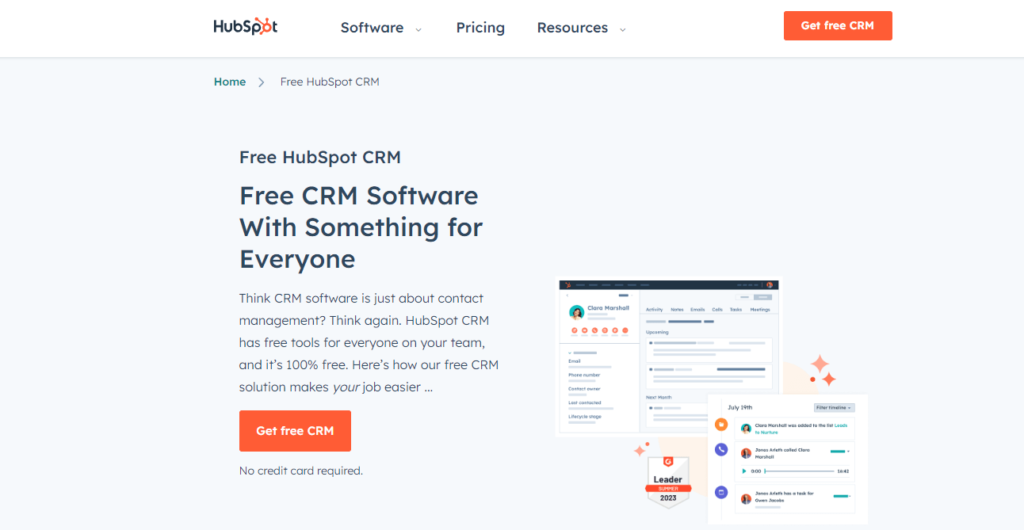
A CRM solution is a powerful software tool designed to manage all your company’s interactions and relationships with current and potential customers.
- Simply Put: It’s a digital rolodex and a personalized diary for every person who interacts with your business. It tracks sales leads, support tickets, purchase history, and even their last complaint!
- The Key Goal: To improve customer service relationships, leading to more sales and long-term customer retention.
- Real-Life Example: Say a customer, Sarah, calls your small online boutique about a damaged order. Your CRM immediately pops up her entire history—what she bought, when she bought it, and that she’s a loyal, high-value customer. This lets your team handle the situation with personalized care, fast.
2. ERP: The Business Brain (Process Focused)
An ERP system is a comprehensive software suite that manages and integrates all the key functional areas of your business. It ties everything together.
- Simply Put: It’s the central nervous system for your whole operation. It handles things like inventory management, accounting, purchasing, manufacturing, and human resources.
- The Key Goal: To improve operational efficiency and collaboration by having one single source of truth for all your data.
- Honest Insight: When I started my first small e-commerce venture, I was using one program for sales, another for stock, and another for bookkeeping. The moment I switched to a simple cloud-based ERP, the feeling of calm was immediate! No more manually comparing lists!
Why Should a Small Business Owner Care? (The Efficiency Payoff)
When you’re small, every minute and every dollar counts. Implementing a solid business management software like an integrated ERP and CRM isn’t a luxury; it’s an investment in growth.
💰 Stop the Bleeding: Maximizing Financial Efficiency
- Automated Invoicing: No more forgetting to bill clients! ERP systems can automatically generate and send invoices the moment a service is complete or a product ships. This drastically improves your cash flow management.
- Accurate Inventory: Imagine selling an item you don’t actually have in stock. Disaster, right? ERP provides real-time visibility into your stock levels, minimizing costly overselling or carrying too much excess inventory.
🧑💻 Focus on What Matters: Better Use of Team Time
- Removing Manual Tasks: The biggest time-saver is automation. Both systems eliminate repetitive data entry (a HUGE time drain!) and automate things like follow-up emails, reporting, and order processing.
- Data Consistency: When your sales team, fulfillment team, and accounting team are all looking at the same information (thanks to your integrated platform), fewer mistakes happen, and there’s less back-and-forth communication.
⭐ Building Trust: Superior Customer Experience
- Understanding the Journey: A good CRM lets you see where a customer is in their journey. Are they a brand new lead? Are they waiting for a response from support? This holistic view allows your team to deliver seamless and context-aware service.
- Targeted Marketing: By analyzing the data in your CRM, you can understand who your ideal customer truly is and create highly effective, personalized marketing campaigns that feel like they were written just for them.
💡 Practical Tips for Adopting ERP/CRM (A Beginner’s Guide)
Ready to take the leap? Here are a few honest, practical tips I’ve learned that will make your transition to these business solutions smooth and stress-free.
1. Don’t Go for the Biggest! Start Simple.
Forget the massive, complex systems the Fortune 500 companies use. For small and medium-sized enterprises (SMEs), focus on SaaS (Software as a Service), cloud-based solutions. They are generally much more affordable, easier to implement, and don’t require an in-house IT team. Look for affordable ERP software tailored for your niche.
2. Identify Your Biggest Pain Point FIRST.
Are you constantly losing track of sales leads (you need a CRM)? Or is your inventory always a mess (you need an ERP)? Don’t try to solve every problem at once.
- Pro-Tip: If you have multiple pain points, look for a platform that offers both modules and allows you to implement them in phases. This phased approach reduces the upfront learning curve.
3. Data Migration is Crucial (But Worth It!)
The thought of moving all your old spreadsheets and customer data into a new system can be daunting. Embrace the process! This is where you clean up old records and establish good habits. Many providers offer migration services—use them if you can! The quality of your data going in will determine the quality of your insights coming out.
4. Training is Non-Negotiable.
Your new integrated business solution is only as good as the team using it. Dedicate time for training. Make sure everyone understands why they are using the new system and how it specifically makes their individual job easier. User adoption is the key to success.
✅ Wrapping It Up: Your Next Step to Driving Efficiency
Implementing an ERP or CRM system might seem like a huge mountain to climb, but trust me, the view from the top—where your business is running like a well-oiled, efficient machine—is absolutely worth it. You’re not just buying software; you’re buying back time and peace of mind.
It’s about moving past just surviving and starting to truly thrive. You deserve to spend less time wrestling with data and more time connecting with customers and developing your next great idea.
So, are you ready to ditch the dozens of spreadsheets and embrace a single source of truth?