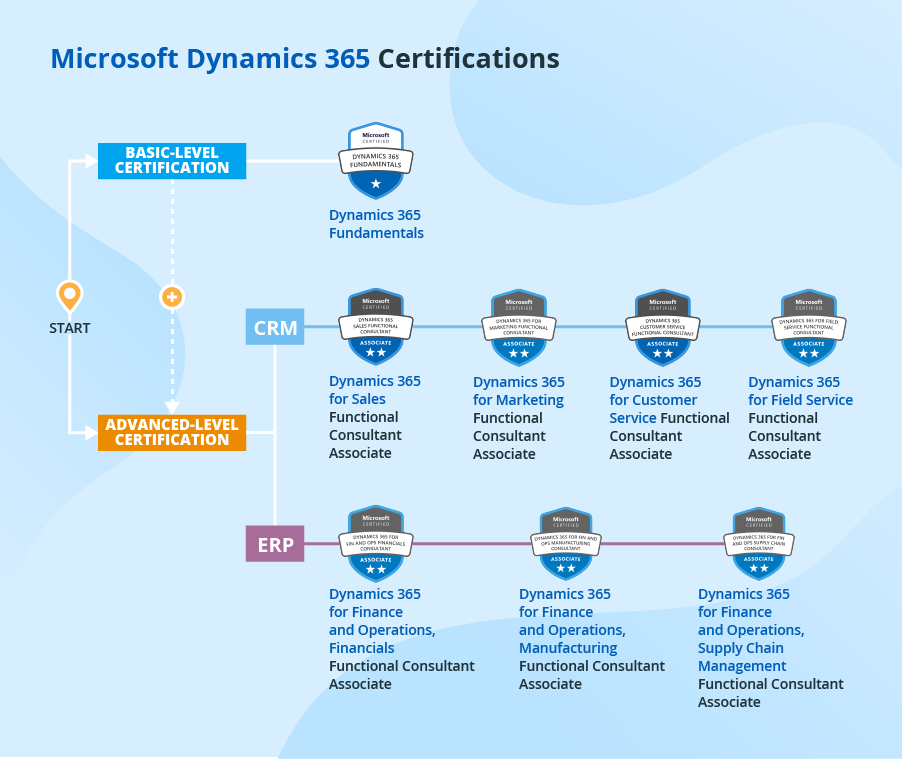
🚀 Level Up Your Business: Why CRM and ERP are Your Secret Weapons as an SME!
Hey there, fellow entrepreneur! 👋 If you’ve ever felt like you’re juggling a dozen balls at once—managing customer emails, tracking inventory, chasing invoices, and trying to find that one crucial spreadsheet—you are definitely not alone. Running a Small to Medium-sized Enterprise (SME) is tough work, and it often feels like the big corporations have some secret advantage.
Well, guess what? They do, and it’s not as mysterious as you think. It’s all about using the right technology to keep everything organized and running smoothly. I’m talking about two powerhouses: CRM and ERP.
I remember when I first started out, before I was Elizabeth Muhiudeen the digital creator, my little business was a mess of Post-it notes and email chains. Implementing these systems felt overwhelming, but honestly, it was the single biggest step I took to move from feeling constantly stressed to actually growing! Let’s break down what these fancy acronyms mean and how they can change your business life.
What’s the Big Deal? Understanding CRM and ERP
These tools are not just for the Fortune 500 companies; they are essential technologies for modern SMEs who want to compete and grow without burning out.
🤝 CRM: Your Customer-Focused Friend (Customer Relationship Management)
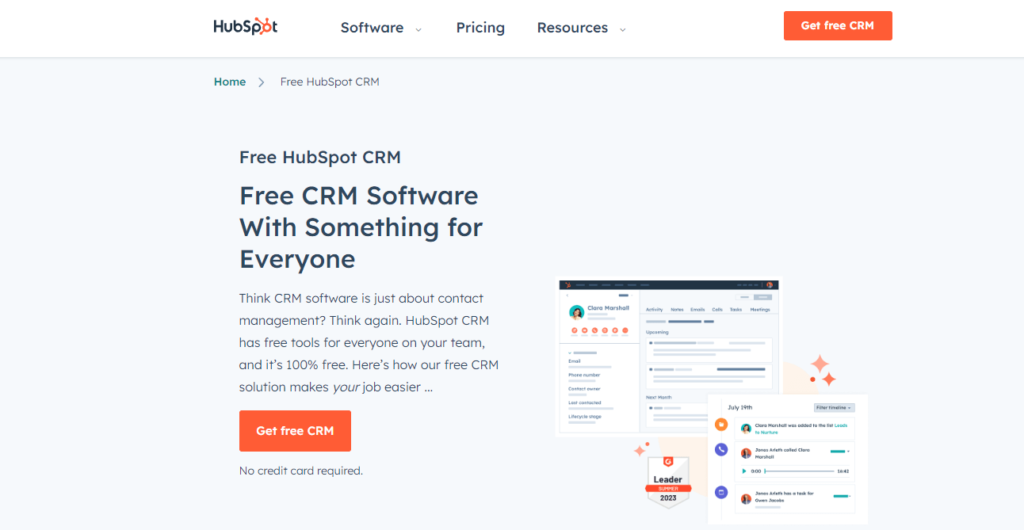
Think of a CRM system as your super-organized digital notebook for every single person who interacts with your business.
- What it is: It’s a software tool designed to manage and track all your customer interactions and relationships. From that first website visit to the most recent purchase and support call, it captures everything.
- Why you need it: A good CRM helps you build a detailed customer profile. This means you stop treating people like order numbers and start giving them personalized experiences.
- Real-Life Insight: I used to forget which client preferred email over a phone call, or what problem a previous customer had. A CRM stores that history. When a customer calls, you immediately see their whole story, which makes them feel valued. That builds customer loyalty and drives repeat business—a key growth driver for any small business.
- Key CRM Features:
- Sales Pipeline Management: Visually track sales leads.
- Contact Management: Centralized database of customer and prospect information.
- Marketing Automation: Sending targeted emails at the right time.
- Customer Service Tracking: Managing support tickets efficiently.
⚙️ ERP: Your Business Operations Backbone (Enterprise Resource Planning)
If the CRM is all about the front-end (the customer), the ERP system is all about the back-end (running the business).
- What it is: It’s an integrated software suite that manages and connects the core business processes of an organization. It’s the ultimate central hub for things like finance, inventory, purchasing, and human resources.
- Why you need it: It breaks down the information «silos» in your business. Imagine your sales team, warehouse team, and accounts team all looking at the same real-time data. That eliminates errors, speeds up processes, and saves you money. It provides business intelligence that helps you make better decisions.
- The «Aha!» Moment: For my business, the shift was in inventory control. Before ERP, my sales team would accidentally promise stock we didn’t have because the inventory spreadsheet was hours old. With ERP, the stock levels are updated instantly when a sale is made, creating operational efficiency and preventing embarrassing customer mix-ups!
- Key ERP Modules:
- Financial Management: Handling ledgers, accounts payable/receivable, and budgeting.
- Supply Chain Management (SCM): Managing logistics, inventory, and procurement.
- Manufacturing/Production Planning: Scheduling and resource allocation.
- Human Resources: Managing payroll and employee data.
Why Small and Medium Businesses (SMEs) Can’t Afford to Wait
I get it, investing in a new system seems expensive and time-consuming. But think of it this way: what is the cost of doing nothing?
| Problem You’re Currently Facing | Solution with CRM & ERP | Real Value Gained |
|---|---|---|
| Wasting Time hunting for files and cross-checking data. | Centralized data and automated tasks. | Productivity Boost for every team member. |
| Lost Sales due to poor follow-up or forgotten leads. | CRM’s sales pipeline ensures every lead is tracked. | Increased Revenue and higher conversion rates. |
| Stock-Outs or Overstocking inventory. | ERP’s inventory management provides accurate demand forecasting. | Reduced Costs and better cash flow. |
| Inconsistent customer experience across channels. | CRM ensures every employee has the customer’s full history. | Enhanced Customer Satisfaction and retention. |
The biggest benefit for SMEs is that these tools offer scalability. You’re setting up the foundation now so that when you grow (and you will!), your system won’t break under the pressure.
Practical Tips for Choosing and Implementing Your System
Ready to take the leap? Awesome! Here are some honest tips I wish someone had given me years ago:
1. Start with Strategy, Not Software
Don’t just look for the cheapest or flashiest software. First, map out your current business processes.
- Ask yourself: Where are the biggest bottlenecks? Are we losing customers because of poor service (needs a stronger CRM)? Or are we losing money because of poor inventory control (needs a stronger ERP)?
2. Choose the Right Fit for an SME
The good news is that there are many cloud-based ERP and CRM solutions specifically designed for small business management. Look for tools that:
- Are Modular: You can start with a few core features (like finance and sales) and add more later. This keeps the initial investment manageable.
- Have Great Integrations: Ensure the ERP and CRM can talk to each other seamlessly, allowing for data synchronization. This is key to getting a single view of the business.
- Offer User-Friendly Interfaces: If the system is clunky, your team won’t use it, and your investment will be wasted. User adoption is everything!
3. Data is Your Greatest Asset (But You Have to Clean It!)
Before you switch to a new system, you must clean your existing data. Get rid of old, duplicated, or incorrect customer records and inventory counts. Trying to migrate a mess will only create a new, expensive mess. This initial effort is crucial for getting the maximum ROI (Return on Investment).
4. Train, Train, Train
A new system means a new way of working. Be empathetic to your team. They might be resistant to change. Schedule dedicated employee training sessions, make sure they understand why the change is happening, and celebrate the small wins. Remember, the human element is the most important part of any technology implementation.
✅ Final Thoughts and Your Next Step
Moving beyond spreadsheets and scattered emails into an integrated system of CRM and ERP isn’t just a technical upgrade; it’s a statement that you are taking your small to medium business seriously. It allows you to deliver exceptional customer experience while keeping your internal operational costs low.
The path to growth is rarely easy, but with the right technology stack, you can stop spending all your time on manual tasks and finally focus on the strategy that makes your business thrive. You’ve got this!
What’s your next step?
Take a moment right now to identify the single biggest pain point in your business. Is it customer follow-up (CRM) or inventory/finance (ERP)? That’s where you should start your research.
Ready to dive deeper? Why not check out a free demo of a CRM tool tailored for SMEs today and see the difference a single source of truth can make!